

I went on a trip with the amazing Four Seasons Hotels to China, and to my luck, I got to discover a place I’ve never been to before which is Hangzhou!
I was told, long before modern travelers discovered it, emperors and poets were falling in love with Hangzhou. Marco Polo famously called it one of the most magnificent cities in the world and more than seven centuries later, that reputation still holds. Nestled along the shores of the breathtaking West Lake and just one hour by high-speed train from Shanghai, Hangzhou is the kind of destination that surprises you for a day trip or even an overnight at the West Lake!
If you are drawn by ancient temples, world-famous tea culture, UNESCO heritage sites, or simply the desire to wander a lakeside city that feels like stepping inside a classical Chinese painting, this Hangzhou travel guide covers everything you need to know.

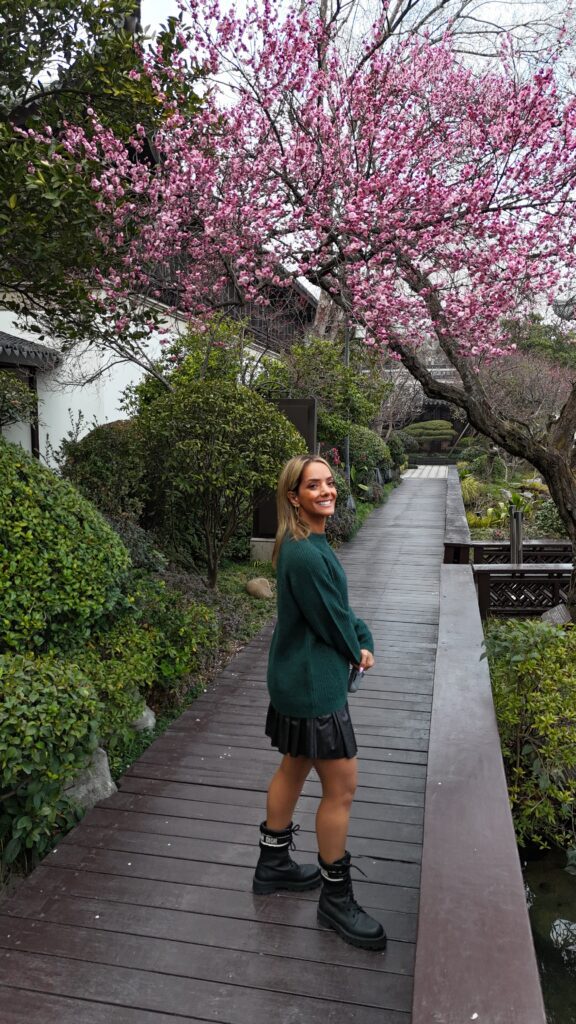
Why Visit Hangzhou?
Hangzhou is the capital of Zhejiang Province and one of China’s seven ancient capitals, with a recorded history stretching back over 2,200 years. It served as the imperial capital of the Southern Song Dynasty, a golden era that transformed the city into a hub of art, trade, silk, and tea culture; a legacy still very much alive today.
Reasons when to consider Hangzhou on your itinerary:
- West Lake: a UNESCO World Heritage Site and one of China’s most iconic natural landmarks
- Longjing (Dragon Well) tea: the world’s most celebrated green tea, grown right here
- Rich silk heritage: home to the largest silk museum in the world
- Ancient temples, pagodas, and water towns within easy reach
Top Things to Do in Hangzhou
1. West Lake (Xi Hu)
My favorite part of visiting Hangzhou is spending time at West Lake. Covering 6.5 square kilometers, this UNESCO-listed freshwater lake is the soul of the city. Willow-draped causeways, arched stone bridges, mist-covered hills, and island pavilions create a scene so picturesque it has inspired Chinese poets and painters for centuries.
Walk or cycle the Su Causeway, take a boat out to Three Pools Mirroring the Moon, and do not miss the famous Ten Scenes of West Lake. Arrive early in the morning for the best light and fewer crowds.
2. Lingyin Temple
One of the largest and most important Buddhist temples in China, Lingyin Temple was founded in the 4th century AD by an Indian monk. Nestled among forested hills to the west of the city, its grand halls, towering statues, and serene atmosphere make it a must-visit. Nearby Feilai Feng features hundreds of rock-carved Buddha figures dating back over a thousand years.
3. Longjing Tea Plantations
Hangzhou is the birthplace of Dragon Well (Longjing) tea — widely regarded as China’s finest green tea. Visit the rolling plantations of Meijiawu village or the Dragon Well village itself to see the terraced tea fields up close, watch traditional hand-roasting demonstrations, and sip freshly brewed tea while overlooking the hills. The China National Tea Museum nearby is also worth an hour of your time.
💡 Tip: Visit in spring (March–April) to see harvesters picking the season’s first tender leaves.
4. Hefang Street
Dating back to the Southern Song Dynasty in 1131, Hefang Street is Hangzhou’s best-preserved historical street. Stretching about 1,080 meters, it is lined with traditional shops selling silk, tea, fans, handcrafted scissors, and street food snacks. Stroll during the day to admire the Ming and Qing Dynasty architecture, then return at night when red lanterns light up the entire street.
5. Leifeng Pagoda
Originally built in 975 AD, the beautifully reconstructed Leifeng Pagoda rises on a hill at the southern edge of West Lake. Its five stories offer some of the most sweeping panoramic views of the lake and city skyline. The pagoda is also the setting of one of China’s most beloved folk legends, the White Snake Story.
6. Xixi National Wetland Park
A peaceful contrast to the busy lakeside, Xixi Wetland is a vast urban nature reserve in the western part of the city. Crisscrossed waterways, lush vegetation, traditional pavilions, and rich birdlife make it perfect for boat rides, cycling, and gentle hiking. It is one of the few national wetland parks in China located within a city.
Best Time to Visit Hangzhou
Hangzhou is a year-round destination, but spring and autumn are widely considered the best seasons to visit.
• Spring (March–May): Peach blossoms, cherry trees, and weeping willows frame the lake in color. Ideal for tea plantation visits.
• Autumn (September–November): Clear skies, cool temperatures, and golden foliage. Also the time to witness the spectacular Qiantang River Tidal Bore in September.
• Summer (June–August): Hot and humid, but lush and vibrant. Crowds are manageable on weekdays. (basically to avoid this season)
• Winter (December–February): Cold and quiet with fewer tourists. Occasional snow dusts the pagodas beautifully.
⚠️ Avoid visiting during Chinese Golden Week (early October) and Chinese New Year (late January/early February), as major attractions become heavily crowded and hotels book out far in advance.
Want help planning your China trip?
How to Get to Hangzhou
Hangzhou is extremely well connected to the rest of China and increasingly to international destinations.
• By High-Speed Train: The most popular and convenient option. From Shanghai, the journey takes just one hour with frequent daily departures. From Beijing or Xi’an, expect 5–7 hours. Most trains arrive at Hangzhou East Railway Station, well-connected to the city by metro.
• By Plane: Hangzhou Xiaoshan International Airport (HGH) handles domestic and international flights, located approximately 30 km from downtown. Airport shuttle buses and Metro Line 1 connect to the city center.
• By Bus: Long-distance buses connect Hangzhou to nearby towns and cities across the region.
What to Eat in Hangzhou
Dishes to try include:
• West Lake Vinegar Fish (西湖醋鱼): The city’s most iconic dish — freshwater carp in a sweet-and-sour sauce.
• Beggar’s Chicken (叫化鸡): Slow-baked whole chicken wrapped in lotus leaves and clay.
• Hefang Street snacks: Perfect for sampling local street food in a historic setting.
I personally don’t “love” to experiment with food in China which is very unlike me but I just find it hard to enjoy the authentic Chinese food given i’m from the Middle East, but this is for those who would like to try different local flavors!
For those who prefer not to experiment:
Hangzhou is very international, and you will find plenty of high-quality Western restaurants, steakhouses, Italian spots, and Middle Eastern options — especially around West Lake and Kerry Centre, which are popular areas for international visitors.
Some options include:
• CARBON Restaurant – Cafe – Bar: A stylish restaurant near West Lake serving Italian and French cuisine, with good service and English-speaking staff, making it a comfortable option for travelers.
• Mercato Piccolo: A highly rated Italian restaurant known for pizza, pasta, and simple Mediterranean dishes — perfect if you want something familiar after a long day of sightseeing.
• Slim’s New York Steak & Burger: One of the most popular places in Hangzhou for American-style burgers and steaks, ideal if you’re craving comfort food.
• Angelo’s Italian Restaurant & Bar: A classic expat favorite serving Italian classics, pizza, and pasta in a relaxed atmosphere.
• West Lake Bistro (Four Seasons Hangzhou): A beautiful lakeside option serving Italian dishes like fresh pasta and risotto in a more refined setting.
• Souq Lebanese Cuisine: If you miss Middle Eastern flavors, this restaurant serves Lebanese dishes, grilled meats, and fresh vegetables, offering a familiar taste from home.
Hangzhou Travel FAQs
Is Hangzhou worth visiting?
I think yes at least once but also depending on your overall plan. Hangzhou consistently ranks among China’s most-visited cities in researches and online. Its combination of natural beauty, deep history, rich culinary traditions, and modern infrastructure makes it one of the most rewarding destinations in East Asia.
How many days do I need in Hangzhou?
Most travelers find 3–4 days ideal for exploring the main highlights including West Lake, Lingyin Temple, the tea plantations, and Hefang Street. If you plan to add a day trip to nearby Wuzhen Water Town or the Grand Canal, plan 5 days more or less.
Do I need a visa to visit Hangzhou?
Hangzhou participates in China’s 144-hour visa-free transit policy for citizens of 54 countries. US, UK, and Canadian passport holders currently qualify for 6 days visa-free. Always check the latest entry requirements with official sources before traveling, as policies can change.
Is Hangzhou easy to get around?
Yes. Hangzhou has an excellent metro network, a public bicycle hire system, and plentiful taxis and ride-hailing apps. West Lake and the surrounding attractions are very walkable. The city is notably pedestrian-friendly & it is one of the few Chinese cities with genuine pedestrian-first traffic laws.
What is Hangzhou famous for?
Hangzhou is most famous for West Lake, Longjing (Dragon Well) tea, its ancient silk production, and being one of China’s seven historic capital cities. It is also the headquarters of tech giant Alibaba, making it one of China’s most important modern cities alongside its ancient prestige.
If you are staying at West Lake, I highly recommend the Four Seasons there!
Final Thoughts
If you have many days in China and would like to explore beyond the bigger known cities, add Hangzhou to your itinerary as well as Suzhou!
Plan your visit, pack light, bring an umbrella, and get ready to fall in love with exploring the cities of China!
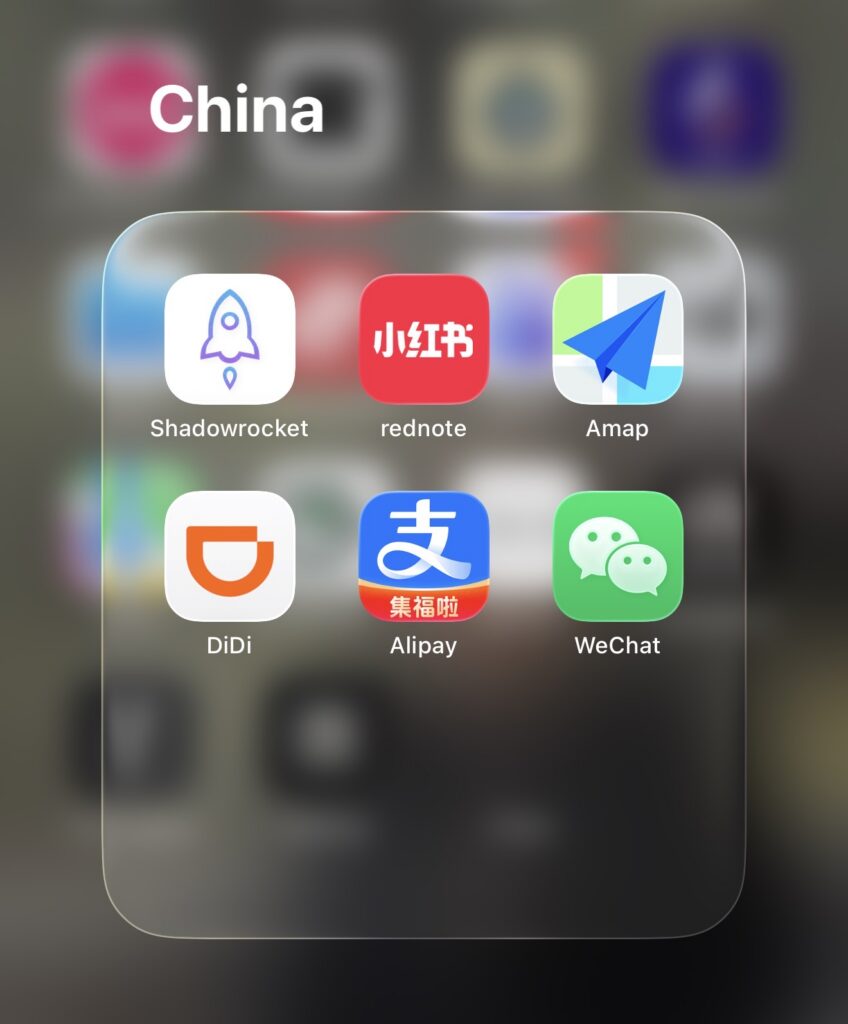
Checkout the apps below – very useful when in China!